
From the Hospital Floor to Systems Architecture: The Evolution of a Clinical Writer
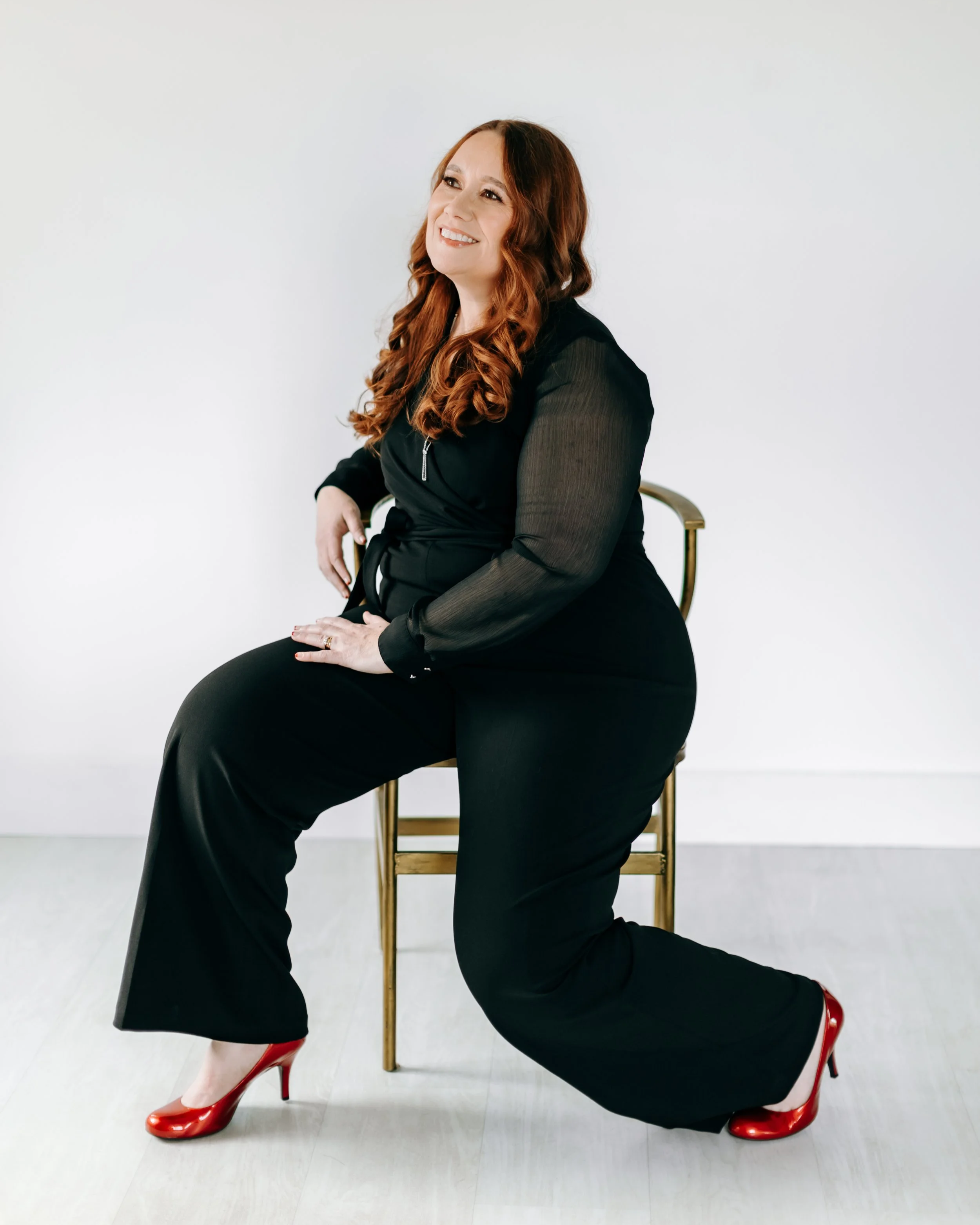
There is a distinct kind of understood chaos if you have spent a decade inside the front-line engine of a hospital.
Before I ever typed a line of code-driven search strategy or engineered a brand narrative, I spent ten years on the clinical floor. I have worn the scrubs of a nurse’s aide, managed the data loops of a unit secretary, and navigated the biomechanics of traumatic care as a therapy services technician.
On the hospital floor, you don’t view "systems" as an abstract business concept. You view them as a matter of survival. You see firsthand how administrative drag, fragmented communication, and backend bottlenecks actively drain the energy of brilliant medical professionals—watching clinicians drown in paperwork instead of doing the high-impact patient care they were born to do.
In addition to those hospital years, I spent a decade mastering Pilates-based fitness—falling completely in love with the precise, rhythmic mechanics of human movement.
I became, permanently, a forever student of the human body.
But as the years clicked by, I noticed a profound gap. So many extraordinary practitioners, studio owners, and wellness innovators were changing lives in person, yet their digital platforms were leaking authority. Their public websites sounded generic, clinical, or entirely disconnected from the profound expertise they possessed in real life.
They had a brilliant clinical heart, but they were missing the operational brain and backbone to broadcast it to the world.
To bridge that gap, I knew I had to evolve. I didn't just want to be a writer who put pretty words on a page; I wanted to build the communication infrastructure that protects a visionary’s time and commands market authority.
The Hustle: Merging the Heart with the Tech
I took that front-line medical discipline and brought it straight into academia. I didn't take the traditional, slow route. I chose to condense my collegiate timeline—merging my primary degree with a deep-dive specialization in Writing with Technology.
But the path wasn't a straight line. Initially, my clinical heart wanted to pursue Exercise Biology. However, balancing family commitments and full-time work meant I couldn't commit to a rigid, on-campus curriculum.
After a joyful conversation with Dr. Tinkler, the director of the English department, my Professional Writing major, he gave me the exact keywords that changed everything: "Your minor should be a reflection of your major."
I needed a strategic pivot. I slept on my choice, knowing that to be a truly great writer, I needed a great foundational minor to balance and elevate my major.
The message clicked instantly. I stopped fighting the logistical friction and leaned entirely into my strengths. By focusing relentlessly on aligning my major and minor requirements and executing intensive summer terms, I am now on track to graduate significantly earlier than expected, in December 2027.
Furthermore, this coming August, I am officially applying to the Accelerated Master’s program, utilizing a strategic mixed-credit structure that allows my advanced coursework to apply directly toward my graduate degree simultaneously.
I currently maintain a 3.9 GPA, proving that text, data science, and strategy can be engineered with the same precision as a clinical protocol.
For me, Writing with Technology became the ultimate tool. Language isn't just art; it is a high-fidelity engine. When built correctly with semantic SEO, targeted user journeys, and Google Analytics (GA4) readiness, a website stops being a digital business card and becomes a permanent infrastructure that captures high-value leads.
The Architecture of Passion
Today, through Good Choice Writing, I act as a passion architect for the health, wellness, and high-compliance industries.
I built this company because I know what it’s like when the back-office engine stalls. I know what it looks like when brilliant founders are trapped in administrative quicksand. By taking over the technical execution, the narrative strategy, and the structural web building, I allow clinicians and innovators to exit the back office and return entirely to the work only they can execute.
Currently, I bridge local community storytelling with digital strategy through active editorial production with Stroll Magazine right here in Greater Springfield, Missouri. And this August, I take the next definitive step on this upward trajectory.
The Operational Verdict
My journey from the hospital floor to communication architecture wasn’t a detour—it was the design phase. I spent a decade learning how the body moves, and I have spent the last few years learning how digital authority scales.
We have completely stripped the noise from our own digital front stage, reducing our platform to six highly detailed, high-intent sections that feed into customized, fresh multi-page blueprints. Whether you need a singular, evidence-based Case Study, a Technical White Paper, or a complete 4-to-6 page Growth Suite Deployment, the architecture is ready.
You lead your patients and clients. I will manage the engine.
The new framework is live. Let's build something permanent.
Best,
Bella
